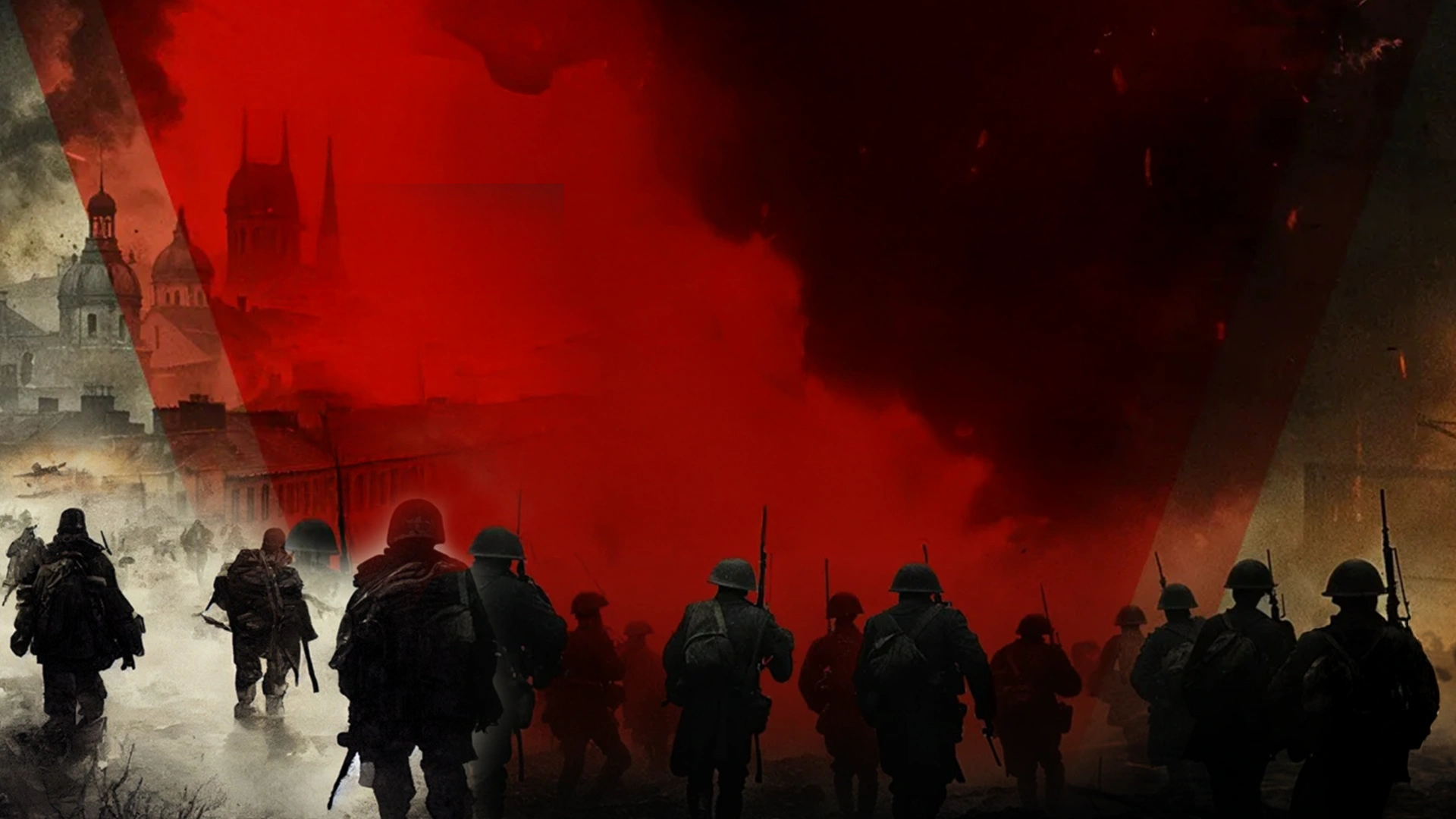
What if the verses most people use to predict the end of the world were not written about the end of the world at all?
What if they were describing the end of a world—the collapse of a covenant system, the destruction of Jerusalem, and the public vindication of Christ—rather than the final moment of human history?
This is where one of the most intense theological debates in modern Christianity begins.
Most believers assume the debate is simple:
Do you believe in the end times… or not?
But that is not the real divide.
Historic Christianity has always affirmed:
- Christ will return.
- There will be a final judgment.
- The dead will be raised.
- God will bring history to its appointed conclusion.
The real debate is this:
When the Bible speaks about “the end”… what end is it actually referring to?
Two Competing Interpretations
At the centre of the discussion are two major frameworks.
1. The Futurist View
This is the dominant modern view:
- A future global tribulation.
- The rise of the Antichrist.
- Cataclysmic world events.
- A visible, dramatic return of Christ.
In this framework, books like Revelation and passages like Matthew 24 are primarily about our future.
2. The Preterist View
This view challenges that assumption.
It argues that many “end time” passages were already fulfilled in the first century, particularly in the destruction of Jerusalem in AD 70.
Jesus said:
“Assuredly, I say to you, this generation will by no means pass away till all these things take place.” — Matthew 24:34
Preterists take this seriously.
They argue:
- Jesus was speaking to His immediate audience.
- The “great tribulation” referred to the judgment of Israel.
- The destruction of the temple marked the end of the Old Covenant system.
In other words:
The “end” was not the end of the planet—it was the end of an age.
Was Jerusalem the Real Apocalypse?
In AD 70, the Roman army destroyed Jerusalem and the temple. For first-century Jews, this was not just political—it was cosmic.
The temple was:
- The centre of worship.
- The meeting place between God and man.
- The symbol of covenant identity.
Its destruction meant the complete collapse of an entire spiritual system.
This is why some theologians argue:
What looked like the end of the world… was actually the end of a covenant.
Revelation: Future Prediction or Symbolic Warfare?
The book of Revelation intensifies the debate.
Is it:
- A literal roadmap of future global disasters?
- A coded message about Rome and early persecution?
- Or a symbolic portrayal of the ongoing battle between Christ and evil?
Different schools of thought answer differently:
- Futurists → mostly future events.
- Preterists → mostly past fulfilment.
- Idealists → timeless spiritual realities.
This is why two Christians can read the same chapter and see completely different timelines.
The Millennium Debate
Then comes Revelation 20—the “thousand years.”
Three major views emerge:
- Premillennialism → Christ returns before a literal reign.
- Amillennialism → the millennium is symbolic of the current church age.
- Postmillennialism → the gospel gradually transforms the world before Christ returns.
Each position reshapes how you interpret the entire Bible.
Where the Debate Becomes Dangerous
There is one line most theologians will not cross.
Full Preterism claims:
- All prophecy has already been fulfilled.
- The Second Coming already happened.
- There is no future bodily resurrection.
This is widely rejected because it contradicts core Christian doctrine.
Scripture is clear:
“This same Jesus… will so come in like manner as you saw Him go into heaven.” Acts 1:11
And:
“The hour is coming in which all who are in the graves will hear His voice and come forth…” John 5:28–29
The Church has historically held this line:
Christ will return; physically, visibly, and finally.
So… Is the End Time Real?
Yes.
But perhaps not in the way many have assumed.
The tension is this:
- Some “end time” passages may describe the end of the Old Covenant age.
- Others clearly point to the final return of Christ and the end of history.
The problem is not that the Bible is unclear. The problem is that we often collapse multiple “ends” into one single timeline.
The Deeper Insight
The Bible speaks about:
- The end of an age.
- The end of a covenant system.
- And the end of history itself.
Not all of these are the same event. And when they are confused, entire systems of theology are built on unstable foundations.
A Final Provocation
The question is not whether the end is real. The question is whether we have misunderstood what actually ended. Because if Jesus truly brought an end to something in the first century, then we are not waiting for victory…
We are living from it.
And that changes everything.